Understanding the Core Principles of a Process Safety Management Program
Life First Solutions is an ISO-certified EHS consulting company offering customized environmental, health & safety solutions, audits, and training services across India to promote safe and sustainable workplaces.
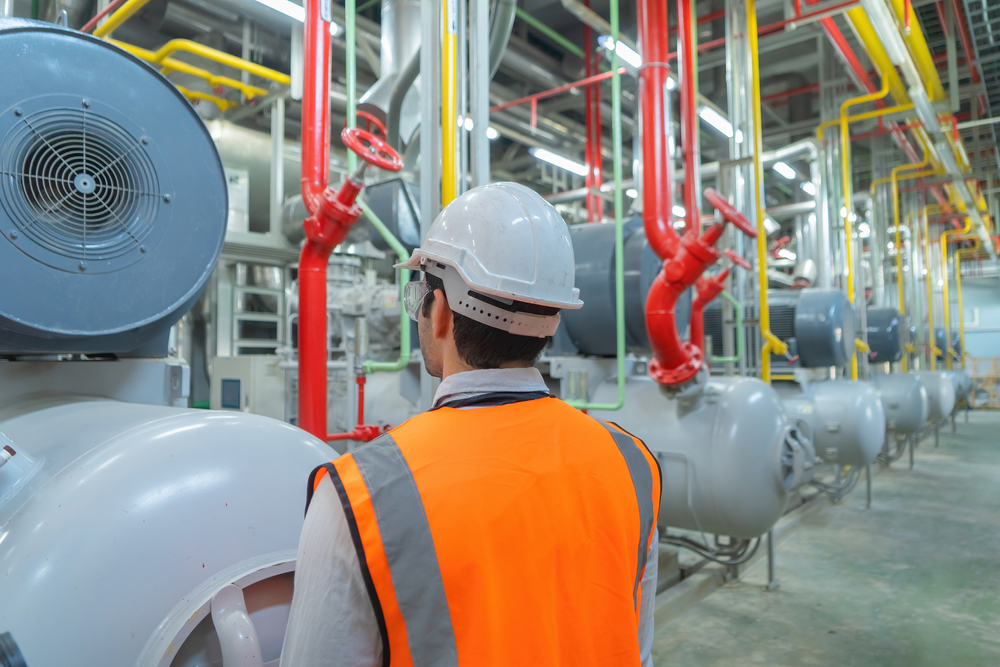
Workplaces that handle hazardous chemicals or high-risk processes must prioritize more than just operational efficiency — they must ensure safety at every step. This is where a Process Safety Management (PSM) program comes into play. It’s not just a regulatory requirement; it’s a comprehensive framework designed to prevent catastrophic incidents such as fires, explosions, and toxic releases. Let’s explore the core principles that make an effective PSM program essential for industrial safety and sustainability.
1. The Foundation of Process Safety Management
At its heart, a Process Safety Management program focuses on identifying, evaluating, and controlling hazards associated with industrial processes involving dangerous substances. It emphasizes systematic procedures, risk analysis, and employee involvement to ensure that every aspect of an operation — from equipment design to maintenance — supports safe performance.
The Occupational Safety and Health Administration (OSHA) established clear guidelines under its PSM standard (29 CFR 1910.119), setting a benchmark for industries worldwide. Whether in chemical manufacturing, oil and gas, or pharmaceuticals, following these principles minimizes the risk of accidents that could endanger lives and property.
2. Process Hazard Analysis (PHA)
A key element of any PSM program is the Process Hazard Analysis (PHA). This structured and systematic approach identifies potential hazards and assesses the consequences of failures in the process. Techniques like HAZOP (Hazard and Operability Study), What-If Analysis, and Fault Tree Analysis are often used to evaluate risks.
By conducting a thorough PHA, organizations can uncover weaknesses in their processes before they lead to incidents. Regular revalidation of these analyses ensures that the system stays relevant and effective as operations evolve.
3. Operating Procedures and Safe Practices
Well-documented operating procedures are critical for consistent and safe operations. These procedures provide step-by-step instructions for startup, shutdown, emergency handling, and routine activities. They help ensure that every team member performs tasks safely, even in abnormal conditions.
Effective communication and training are vital here — employees must not only have access to these procedures but also understand and apply them correctly. This ensures that human error, one of the major causes of industrial accidents, is minimized.
4. Employee Involvement and Training
A strong safety culture begins with people. The employee involvement component of a PSM program emphasizes participation at all levels — from frontline workers to management. Employees should be encouraged to report unsafe conditions, suggest improvements, and participate in safety reviews.
Comprehensive training programs are equally important. Workers should receive practical and periodic instruction on safe operating procedures, emergency response, and hazard recognition. Empowered and informed employees are a company’s first line of defense against accidents.
5. Mechanical Integrity and Maintenance
Even the best safety procedures can fail if equipment isn’t properly maintained. Mechanical integrity ensures that critical components such as pressure vessels, piping systems, and control devices are regularly inspected and maintained to function reliably.
Routine inspections, preventive maintenance schedules, and proper documentation help avoid mechanical failures that could lead to leaks, fires, or explosions. Investing in reliability engineering and predictive maintenance technologies can further enhance safety performance.
6. Management of Change (MOC)
Change is inevitable in any organization — new equipment, updated procedures, or process modifications. However, uncontrolled changes can introduce unforeseen hazards. The Management of Change (MOC) process ensures that all changes are evaluated for their impact on safety before implementation.
A well-structured MOC program includes reviewing potential risks, updating documentation, training employees on changes, and ensuring that new controls are implemented effectively.
7. Emergency Planning and Response
Despite all preventive measures, emergencies can still occur. A robust emergency planning and response system prepares the workforce to act swiftly and effectively when needed. This includes developing evacuation procedures, training response teams, and conducting regular emergency drills.
Coordination with local emergency services and community awareness programs further strengthen preparedness and response capabilities.
Creating a Culture of Process Safety Excellence
The ultimate goal of a Process Safety Management program is not just compliance but continuous improvement. Organizations that embrace a proactive safety culture go beyond regulatory requirements — they embed safety into every decision, every process, and every role.
Leadership commitment, transparent communication, and consistent performance reviews ensure that process safety becomes part of the company’s DNA. By investing in safety management systems, industries not only protect their people and assets but also build long-term trust, reliability, and resilience.
